
Quick Answer
A drain gurgles because air is moving the wrong way. The details, the tools and the honest limits follow.
Gurgling Drains Are Air Looking For A Way Out
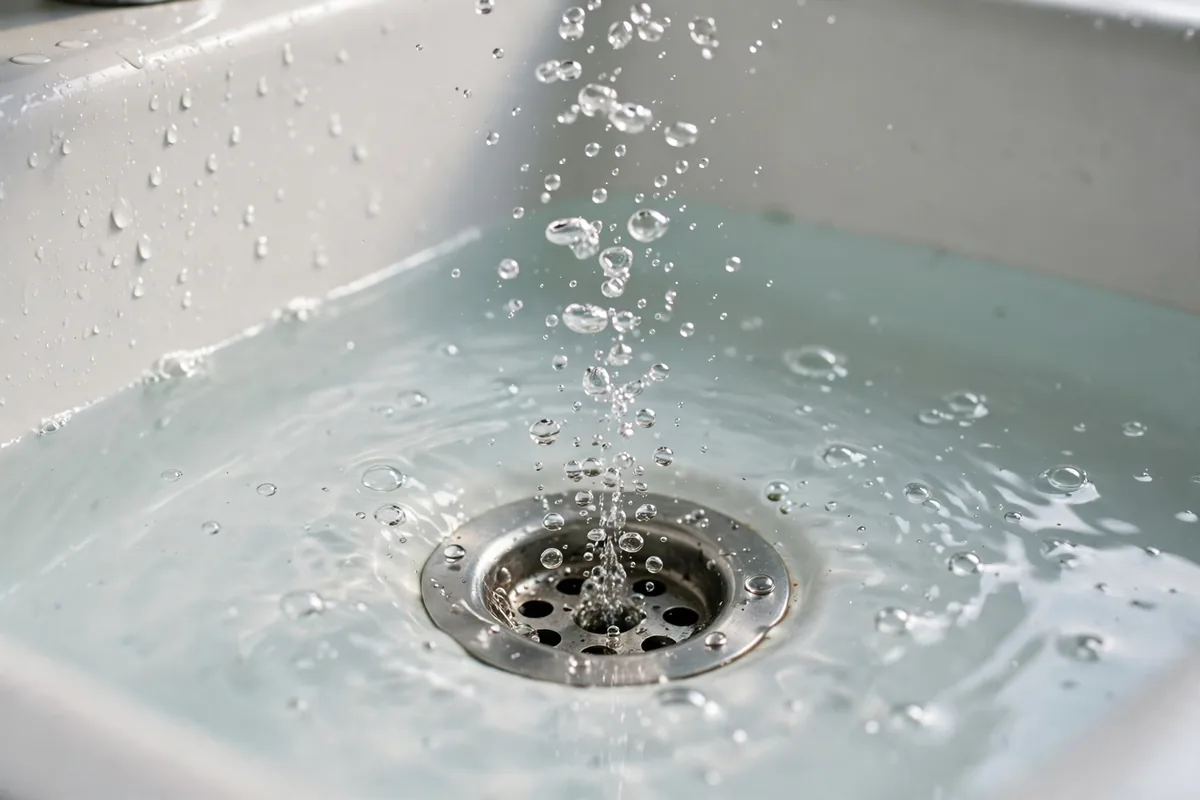
A drain gurgles because air is moving the wrong way. Water going down pushes air ahead of it; when the line is narrowed or the vent cannot keep up, that air escapes back through the nearest water trap — and you hear it as a bubble, a glug, or a toilet that sighs.
Gurgling is the most informative sound a drain makes, and the most ignored. This guide decodes it: which combinations are harmless, which ones map the blockage for you, and which mean the main line is asking for help this week.
The Pipes And Parts Behind It
Think of the system as a family of parts with one job. The sewer lateral is the driveway; the main sewer line is the same road named from the house. The cleanout is the gate, the P-trap the seal, the vent stack the chimney, the floor drain the basement’s alarm bell, and the grease trap the bouncer on a commercial line.
Their materials span a century of plumbing: cast iron pipe, vitrified clay pipe, PVC pipe and Orangeburg pipe, each with its ageing curve — mineral scale, pipe corrosion, a bellied pipe sagging mid-run. Beyond the property line, the flow chooses between the municipal sewer, the storm drain network in a surcharge, or the quiet independence of a septic tank.
The Tools A Pro Brings, And Why
Equipment is the visible half of judgement. A motorized drain snake (auger) for cutting, hydro jetting for scouring, a root cutter head for the tree work, chain descaling for the iron work — each tool exists because one material or blockage laughs at the others.
The CCTV sewer camera and its sonde line locating partner turn the invisible system into a map with measurements. That map is what separates the causes a machine can cure — grease buildup (FOG), roots, scale — from the ones it cannot: a frozen drain line mid-thaw, a sewer surcharge mid-storm, expansive clay soil mid-shift.
Reading The Signs Like A Pro
Odours are data too: a dry P-trap's smell is constant and local; a partial blockage smells after load; a vent stack problem smells in rhythm with drainage. Note what accompanies what, and you have done half the pro's diagnosis before they arrive.
Write the timeline down — drains reward historians. "Slow since spring, gurgles since the storm, backed up on Sunday" is a differential diagnosis in one sentence.
Why The Camera Comes First
Homeowners are often surprised that the camera is the cheapest part of certainty. One pass answers where the problem is, what it is, and how far it sits from access — the three facts every price and every plan depend on.
Keep the recording. It is your line's medical record: future pros start from it, buyers value it, and if a dispute ever arises — with a seller, a tenant, an insurer — dated footage outranks everyone's memory.
Older Pipes Deserve Older-Pipe Methods
The economics favour the filmed approach: one camera pass distinguishes the line that needs a $cleaning cycle from the line that needs a repair plan, and it dates the evidence. Old houses reward records the way they punish assumptions.
If you are buying an older home, put the sewer lateral on the inspection list beside the roof. It is the only major system that cannot be seen from a ladder — and the one whose surprise bill rivals the roof's.
Prevention That Actually Prevents
For the main line, prevention is a cycle set by evidence: root-prone clay gets its cut-and-jet interval from the footage, not from a mailer. Septic homes add tank pumping on the US EPA rhythm; municipal homes add nothing but attention.
And the cheapest prevention of all is response speed: a gurgle reported this week is a cleaning; the same gurgle reported after the backup is an emergency with a cleanup attached. Drains reward the attentive at wholesale prices.
When To Stop Reading And Call A Pro
Guides end; lines persist. If gurgling drains is happening in your house now, the shortest honest path is the one this site is built on: one free call, a local pro, a camera before a quote. Everything in this article was written so you can judge that visit when it happens — ask what the footage showed, and expect an answer. And if the problem arrived with a flood or a declared disaster, FEMA guidance and assistance may apply to the damage side — one more reason the paperwork starts with the pro's record.
Drain Problem Getting Worse?
One free call connects you with a local pro who can check it in person.
Call (800) 555-0100Free Call · Answered 24/7 · Local Pros Near You
Drain Cleaning Help In These Cities
Guides diagnose in general; pros diagnose your line. The city pages below are the local end of this guide — real Census figures, real ZIPs, and a free call that connects you with a pro who works them. State hubs: Drain Cleaning Ohio · Drain Cleaning Texas.
Gurgling Drains — Frequently Asked Questions
A real person answers 24/7 and can connect you with a local pro.
(800) 555-0100Reviewed By Hamza
Master Plumber & Emergency Drain Clearing Specialist
Hamza is a certified master plumber and emergency drainage specialist with more than 15 years of hands-on experience clearing main lines, sewer laterals and storm-drain systems. He has handled midnight sewage backups, root-choked clay laterals and grease-dam emergencies across hundreds of callouts, and he reviews every guide on this site for technical accuracy before it is published.
Updated October 31, 2026
Dealing With Gurgling Drains Right Now?
One free call connects you with an independent local pro — answered 24/7, with arrival in 30–60 minutes in many cases.
Call (800) 555-0100Free Call · Answered 24/7 · Local Pros Near You
Related Guides

Cast Iron Pipe Descaling Explained
Cast Iron Pipe Descaling — a homeowner guide.
Frozen Drain Lines In Winter: Safe Steps
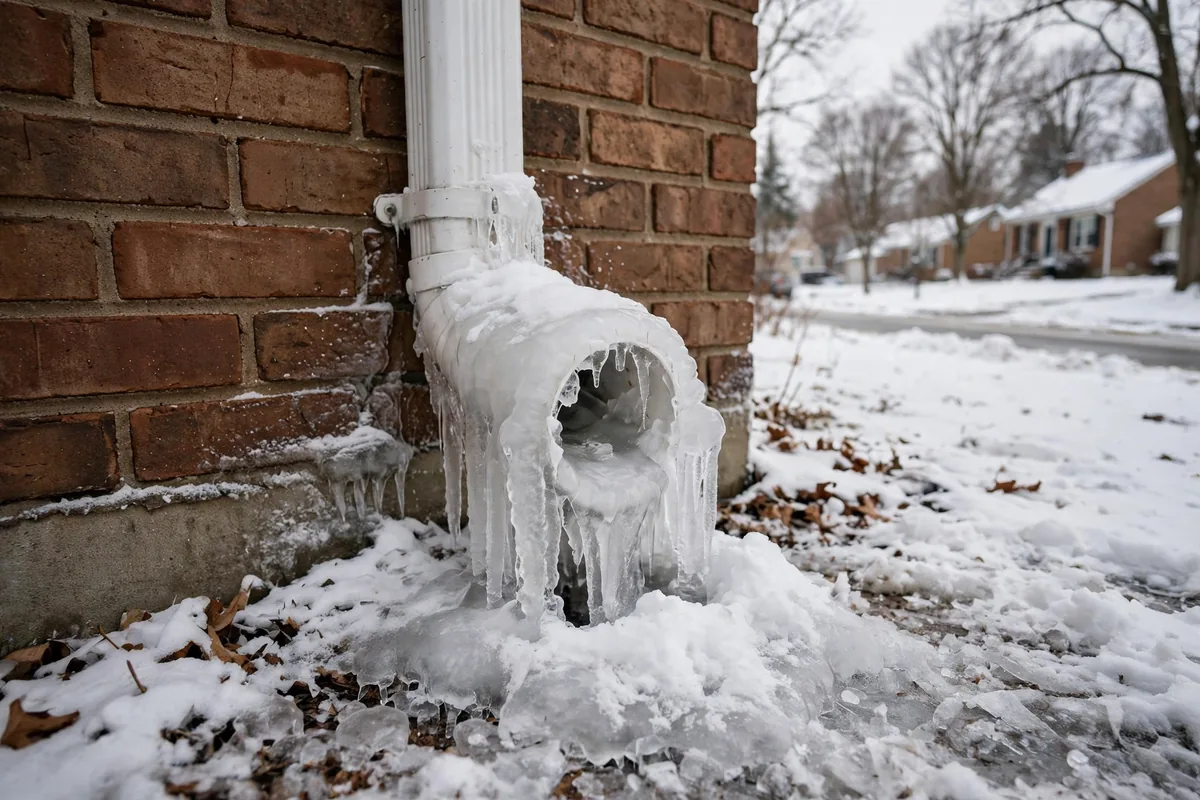
A drain line freezes differently from a supply line: it carries water intermittently, so the ice builds where flow slows — a shallow yard run, an unheated crawlspace, a belly that holds water between uses. The details, the tools and the honest limits follow.
Sewer Backup After Heavy Rain: Why It Happens
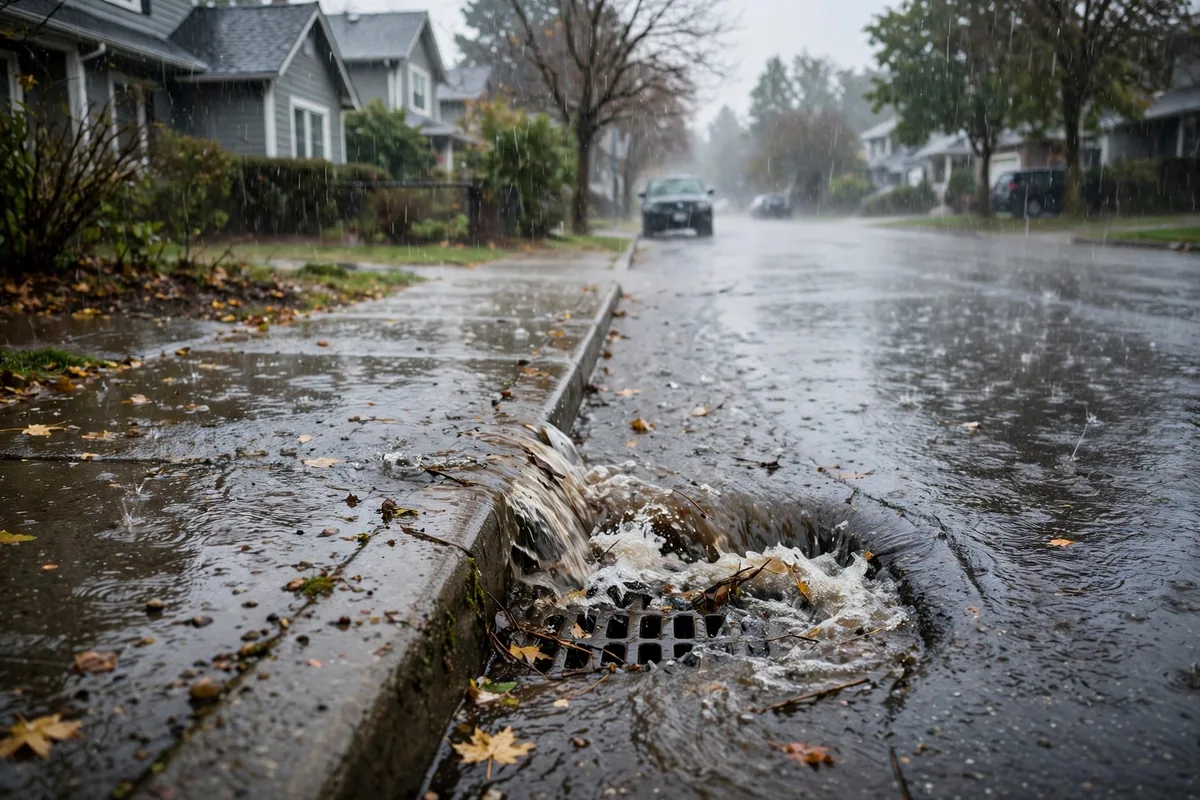
When a backup arrives with a storm, the problem usually starts outside your property line: rain loads the storm drain and municipal sewer systems until they run above capacity, and the pressure reverses — looking for the lowest opening in the lowest houses. What to do about it is the rest of this guide.