
Quick Answer
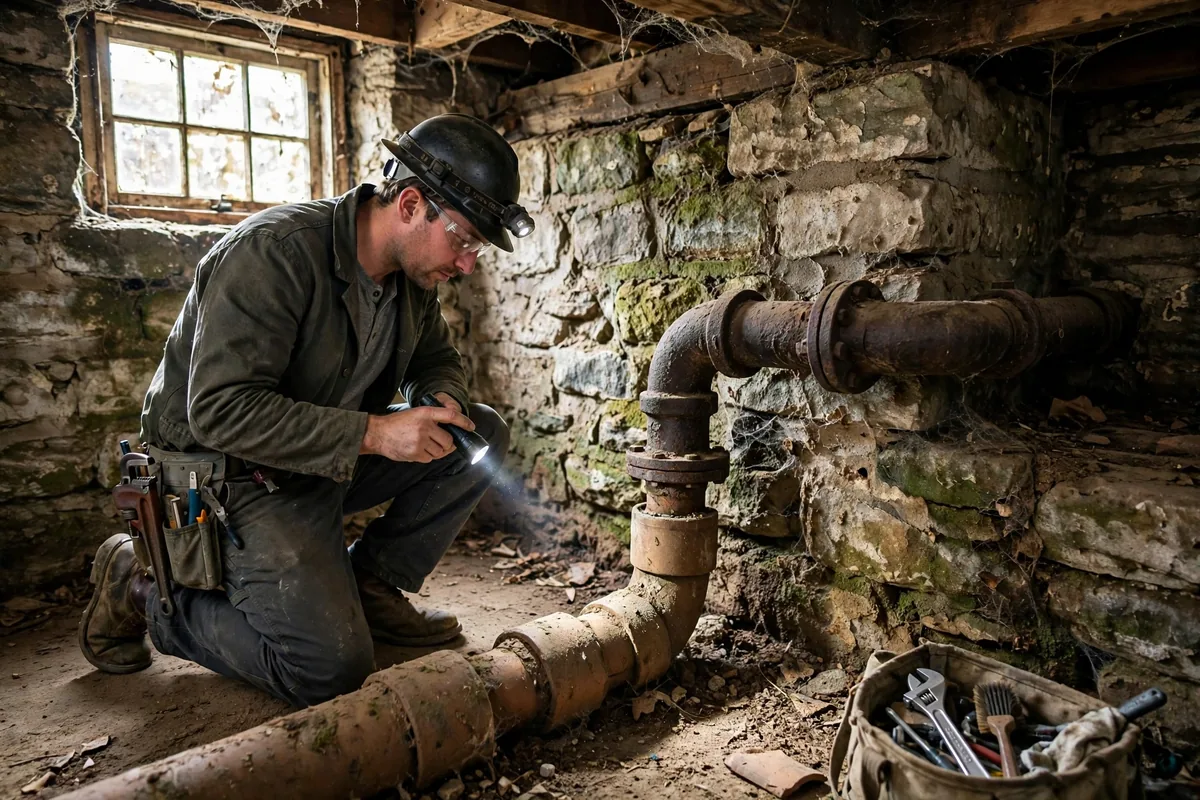
An older home's drains are antiques that still work for a living: cast iron that has scaled for sixty years, vitrified clay joints that have shifted a fraction at a time, Orangeburg pipe in the post-war stock that softens as it ages. What to do about it is the rest of this guide.
Drain Cleaning Old House Lines Without Hurting Them
An older home's drains are antiques that still work for a living: cast iron that has scaled for sixty years, vitrified clay joints that have shifted a fraction at a time, Orangeburg pipe in the post-war stock that softens as it ages. Cleaning them takes the same machines as new pipe — used with completely different judgement.
This guide is the old-house protocol: camera before pressure, the gentle tool first, descaling where the iron can take it, and the honest moments when cleaning ends and the repair conversation begins.
The Pipes And Parts Behind It
Every drain system is three things: pipes, parts and a destination. The pipes are the sewer lateral outside and the main sewer line inside the property’s story; the parts are the cleanout, the P-trap under each fixture, the vent stack above, the floor drain below, and the grease trap on any commercial run.
Materials write the timeline. Cast iron pipe narrows with mineral scale and pipe corrosion; vitrified clay pipe stays round while its joints admit roots; PVC pipe is the low-maintenance youngster with a weakness for heat; Orangeburg pipe is the pensioner. A bellied pipe defeats them all equally. And the destination is either the municipal sewer and its storm drain sibling, or a septic tank in the yard.
The Tools A Pro Brings, And Why
Equipment is the visible half of judgement. A motorized drain snake (auger) for cutting, hydro jetting for scouring, a root cutter head for the tree work, chain descaling for the iron work — each tool exists because one material or blockage laughs at the others.
The CCTV sewer camera and its sonde line locating partner turn the invisible system into a map with measurements. That map is what separates the causes a machine can cure — grease buildup (FOG), roots, scale — from the ones it cannot: a frozen drain line mid-thaw, a sewer surcharge mid-storm, expansive clay soil mid-shift.
Older Pipes Deserve Older-Pipe Methods
Pre-1980 housing — 49.7% of US homes, by the Census — drains through materials with known ageing curves: cast iron pipe scaling from within, vitrified clay pipe joints opening to roots, Orangeburg pipe softening in the post-war suburbs. None of this is failure; it is biography.
The methods respect the material: camera first, pressure chosen for the wall that must withstand it, chain descaling where iron can take it, cutting where roots demand it. An old line treated knowingly can serve for decades more; treated generically, it can be killed by kindness.
What Your Pipes Are Made Of Changes Everything
Every drain line is a material with a biography. Cast iron pipe scales and corrodes from inside; vitrified clay pipe stays sound while its joints shift; PVC pipe shrugs off chemistry but hates heat and grease habits; Orangeburg pipe, in the post-war stock, simply ages out. The right method for one is the wrong method for another.
That is why diagnosis names the material before it names the tool. Mineral scale and pipe corrosion narrow iron; a bellied pipe ponds water in any material; the sewer lateral under your yard is a different material — often a different era — from the stacks inside your walls.
Why The Camera Comes First
A sewer camera inspection turns an underground argument into footage. Roots at a joint, a crack, a belly holding water, scale like a cave wall — each cause is visible, measured from the cleanout, and recorded. Decisions made from footage age well; decisions made from guesses get revisited at emergency prices.
The camera also protects the pipe: jetting pressure is chosen for the line's actual condition, fragile sections get gentler methods, and nobody pays to clean the wrong line. On older homes it is not an extra. It is the diagnosis itself.
The Tools, Honestly Compared
The motorized drain snake (auger) is a cutter on a cable: it bores through blockages, carries a root cutter head for tree work, and opens lines fast. Hydro jetting is water at pressure: it does not just open the line, it scours the walls — the difference between a path and a pipe.
The CCTV sewer camera is the referee between them: it shows which tool the line needs and proves what the tool achieved. Chain descaling handles the special case of cast iron scale; a sonde line locating head in the camera lets the crew mark the line's path and depth on the surface.
When To Stop Reading And Call A Pro
Guides end; lines persist. If drain cleaning in older homes is happening in your house now, the shortest honest path is the one this site is built on: one free call, a local pro, a camera before a quote. Everything in this article was written so you can judge that visit when it happens — ask what the footage showed, and expect an answer. And if the problem arrived with a flood or a declared disaster, FEMA guidance and assistance may apply to the damage side — one more reason the paperwork starts with the pro's record.
Drain Problem Getting Worse?
One free call connects you with a local pro who can check it in person.
Call (800) 555-0100Free Call · Answered 24/7 · Local Pros Near You
Drain Cleaning Help In These Cities
When Drain Cleaning Old House stops being a question and starts being an appointment, it happens on a city page: pick yours for its data, its ZIP codes and its emergency page. The state pages — Drain Cleaning Texas · Drain Cleaning Florida — cover the wider picture.
Drain Cleaning Old House — Frequently Asked Questions
A real person answers 24/7 and can connect you with a local pro.
(800) 555-0100Reviewed By Hamza
Master Plumber & Emergency Drain Clearing Specialist
Hamza is a certified master plumber and emergency drainage specialist with more than 15 years of hands-on experience clearing main lines, sewer laterals and storm-drain systems. He has handled midnight sewage backups, root-choked clay laterals and grease-dam emergencies across hundreds of callouts, and he reviews every guide on this site for technical accuracy before it is published.
Updated October 31, 2026
Dealing With Drain Cleaning Old House Right Now?
One free call connects you with an independent local pro — answered 24/7, with arrival in 30–60 minutes in many cases.
Call (800) 555-0100Free Call · Answered 24/7 · Local Pros Near You
Related Guides
Frozen Drain Lines In Winter: Safe Steps
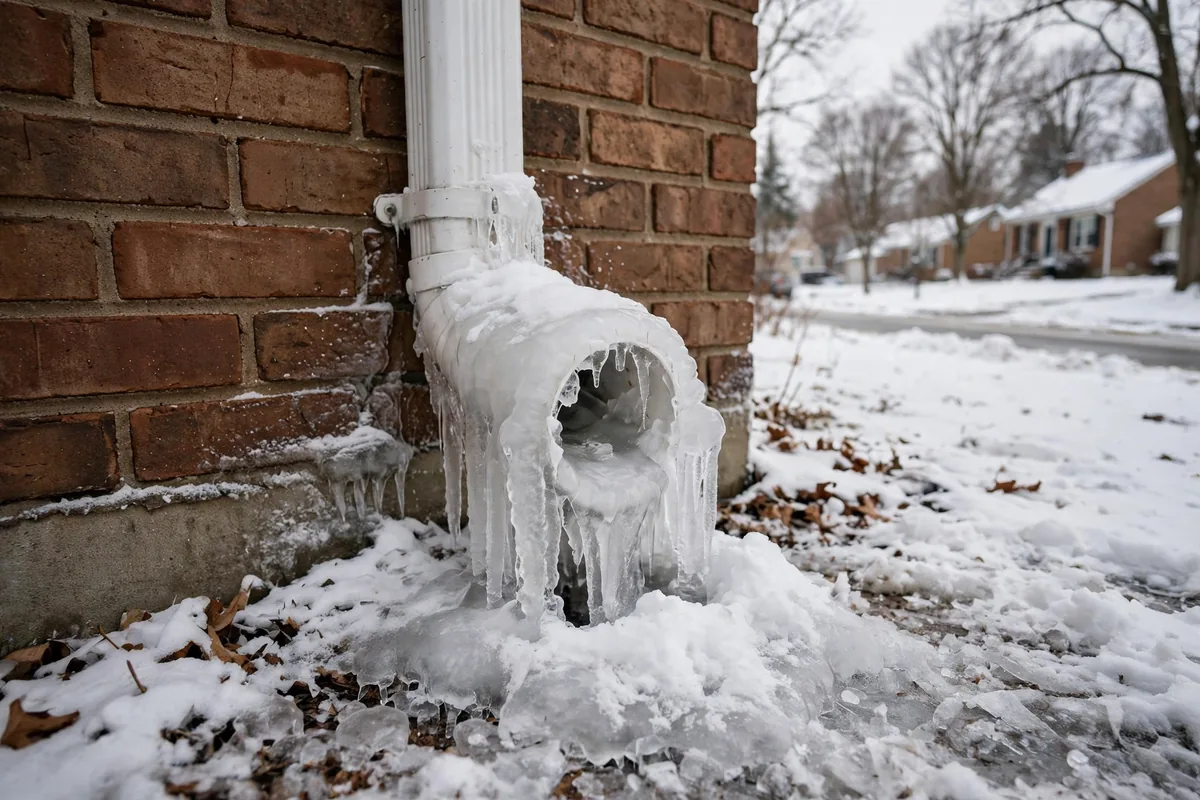
Frozen Drain Pipe — a homeowner guide.
Sewer Backup After Heavy Rain: Why It Happens
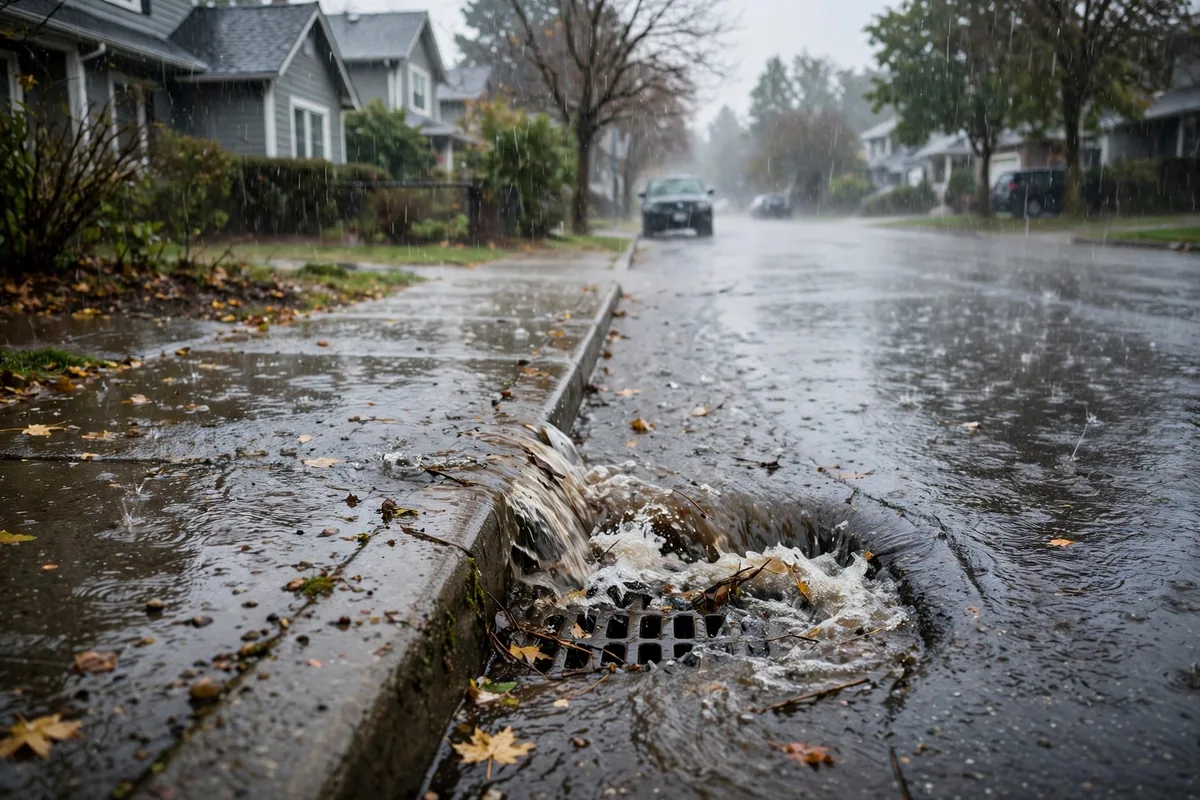
When a backup arrives with a storm, the problem usually starts outside your property line: rain loads the storm drain and municipal sewer systems until they run above capacity, and the pressure reverses — looking for the lowest opening in the lowest houses. What to do about it is the rest of this guide.

Does Homeowners Insurance Cover Sewer Backup?
The short answer disappoints most people mid-backup: a standard homeowners policy generally does not cover sewer or drain backup unless a specific water-backup endorsement — a rider — was added, often for a modest annual cost that nobody mentioned at purchase. The full walk-through follows below.